
Japanese coastal architecture represents a profound dialogue between human habitation and the natural environment. Unlike Western approaches that often seek to dominate or frame nature, Japanese design philosophy emphasizes harmony, subtlety, and the careful orchestration of space, light, and material. In luxury beach villas along Japan's coastline, these principles create living environments of exceptional beauty and tranquility.
The Philosophy of Ma: Embracing Empty Space
At the heart of Japanese minimalist design lies the concept of ma—the conscious use of negative space. In coastal architecture, this translates to rooms that breathe, uncluttered interiors that allow ocean views to become the primary visual focus, and transitional spaces that blur the boundary between inside and outside.
Contemporary architects working on Japan's coastline understand that luxury isn't measured in ornamentation but in spatial quality. Large, uninterrupted floor-to-ceiling windows become frames for ever-changing seascapes. Wide corridors and generous room proportions create a sense of expansiveness that contrasts beautifully with the focused intimacy of traditional Japanese spaces.
"In Japanese architecture, we don't fill space—we honor it. The empty areas are as important as the occupied ones, creating rhythm and allowing the mind to rest." - Tadao Ando, Architect
Natural Materials: Bringing the Outside In
Japanese coastal villas showcase an exceptional commitment to natural materials that age beautifully and maintain tactile connection with the environment. Timber sourced from Japanese forests—particularly hinoki cypress and keyaki zelkova—features prominently in structural elements, flooring, and custom millwork. These woods carry subtle fragrances and develop rich patinas over time.
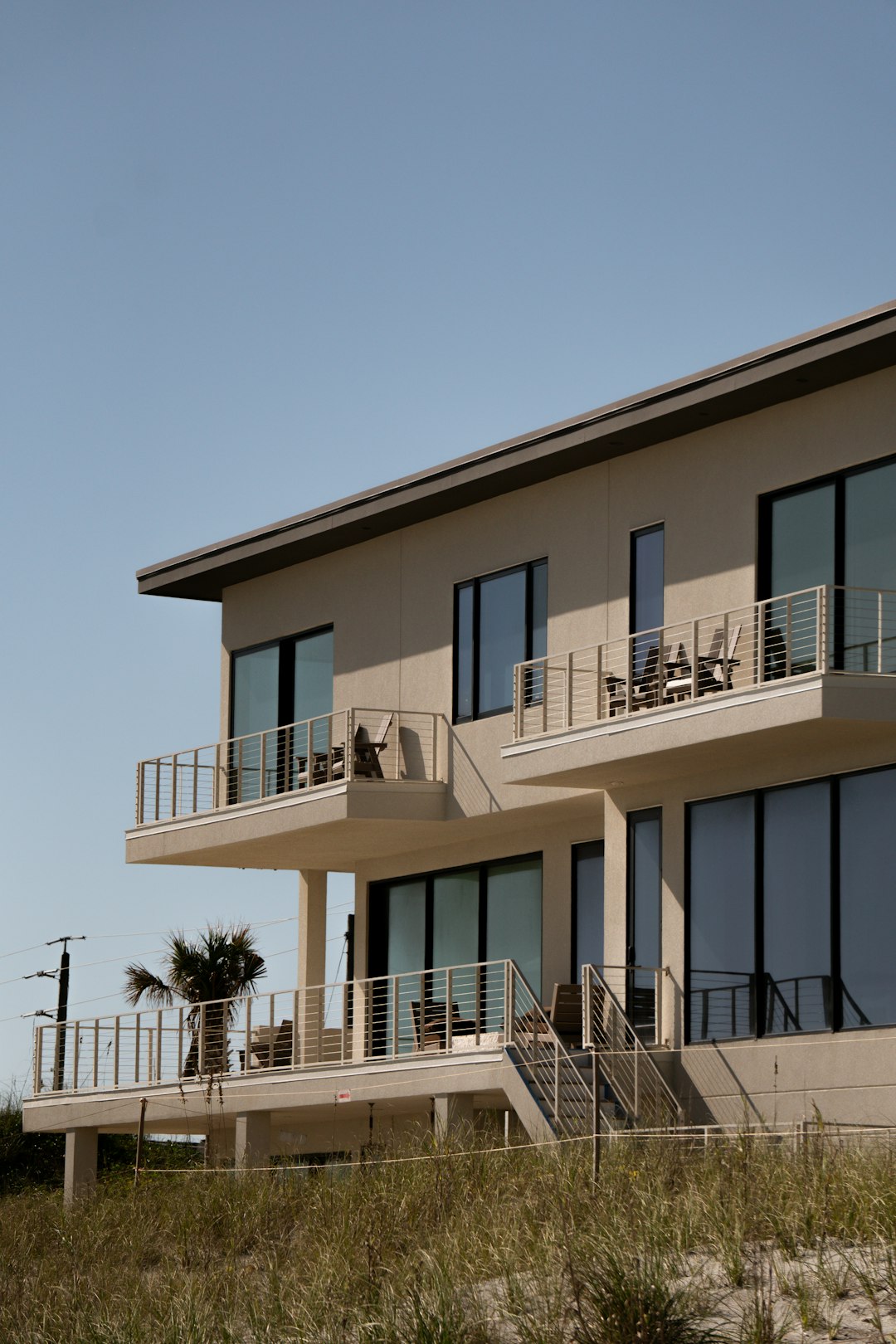
Stone elements, often locally sourced from coastal regions, ground interiors with weight and permanence. Granite countertops, slate flooring, and feature walls of natural stone create textural contrasts against smooth plaster surfaces and glass expanses. The Japanese aesthetic celebrates the imperfections in natural materials—the grain variations in wood, the irregular surfaces of stone—as expressions of authentic beauty.
The Role of Wood
- Structural honesty: Exposed timber beams and posts reveal the building's framework, creating visual rhythms throughout interiors
- Warmth and acoustics: Wood surfaces absorb sound and add warmth to spaces that might otherwise feel austere
- Sustainable choice: Responsibly harvested Japanese timber represents environmentally conscious luxury
- Cultural continuity: Wood connects contemporary villas to centuries of Japanese architectural tradition
Light and Shadow: The Japanese Chiaroscuro
Japanese architect Jun'ichirō Tanizaki wrote extensively about the aesthetic value of shadows in his essay "In Praise of Shadows." Contemporary coastal architecture applies these principles through carefully controlled natural lighting. Rather than flooding interiors with uniform brightness, designers orchestrate how light enters and moves through spaces throughout the day.
Deep eaves—a traditional feature of Japanese architecture—serve multiple purposes in beach villas. They provide shade during intense summer sun, protect openings from rain, and create areas of dappled shadow that shift as the sun moves. These transitional zones between full light and deep interior spaces add depth and mystery to architectural experiences.
Strategies for Light Control
- Adjustable screening systems: Modern interpretations of traditional shoji screens allow residents to modulate light levels and privacy throughout the day
- Strategic window placement: Openings are positioned to capture morning light in bedrooms, afternoon sun in living areas, and sunset views from dining spaces
- Reflective surfaces: Water features and polished stone floors bounce light into deeper spaces
- Skylights and clerestory windows: Introduce vertical light that changes character as the sun arcs across the sky
Indoor-Outdoor Integration
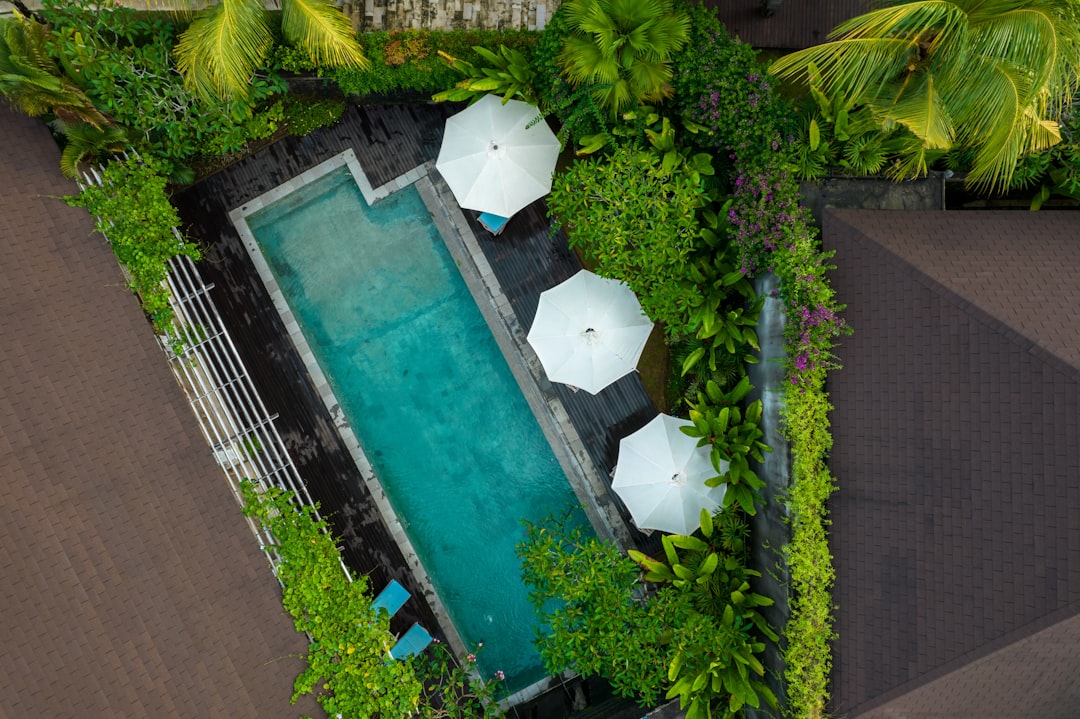
Perhaps no aspect of Japanese coastal architecture is more striking than the seamless integration of interior and exterior spaces. This isn't merely about large sliding doors—though those certainly play a role—but about creating layers of transition that gradually shift from fully enclosed to completely open.
Engawa, the traditional Japanese veranda, appears in contemporary villas as extended covered terraces that function as outdoor rooms. These spaces provide comfortable areas for relaxation while maintaining protection from sun and rain. They serve as social zones, meditation areas, and transitional spaces that psychologically prepare occupants for movement between inside and outside.
The Palette of Simplicity
Color in Japanese minimalist coastal architecture follows a restrained palette that allows natural materials and ocean views to dominate. Whites and off-whites on walls create neutral backgrounds. Natural wood tones add warmth. Stone grays provide grounding. Occasional accent colors—often inspired by traditional Japanese pigments like indigo, persimmon, or pine green—appear in carefully chosen elements.
This limited palette doesn't create monotony but rather a sense of calm sophistication. The eye isn't distracted by competing colors but can appreciate subtle variations in texture, the play of light, and the changing colors visible through windows—blue ocean, green vegetation, golden sand, and dramatic sunsets.
The restraint in color creates a meditation on form, space, and the relationship between built environment and natural setting. It's luxury through subtraction rather than addition.
Functionality Meets Beauty
Japanese design philosophy rejects the Western dichotomy between functional and decorative objects. In coastal villas, every element serves a purpose while contributing to overall aesthetic harmony. Kitchen fixtures are selected for both performance and visual appeal. Storage solutions disappear behind seamless cabinetry. Lighting fixtures provide illumination while acting as sculptural elements.
This integration of function and beauty extends to architectural details. Roof drainage systems become design features. Ventilation openings contribute to facade composition. Handrails provide safety while creating linear elements that guide the eye through spaces.
Sustainability Through Tradition
Many principles of Japanese minimalist architecture align perfectly with contemporary sustainability goals. The emphasis on natural materials, passive cooling and heating strategies, durable construction, and buildings designed to age gracefully all contribute to environmental responsibility.
Coastal villas incorporate traditional knowledge about regional climate while utilizing modern technology. Deep eaves provide passive cooling. Strategic window placement creates cross-ventilation. Thermal mass from stone and concrete moderates temperature fluctuations. These time-tested strategies reduce energy consumption while maintaining comfort.
Contemporary Interpretations
Today's Japanese architects working on coastal luxury projects honor traditional principles while embracing contemporary possibilities. Advanced glass technology allows for ever-larger openings without compromising energy efficiency. Structural innovations enable dramatic cantilevers and seemingly impossible spans. Smart home systems integrate seamlessly with minimalist aesthetics.
The result is architecture that feels simultaneously ancient and futuristic—grounded in cultural tradition yet thoroughly modern in execution. These are not museum pieces but living, breathing homes that provide exceptional comfort while celebrating the coastal environment.
Conclusion: A Philosophy, Not Just a Style
Japanese minimalist coastal architecture transcends mere aesthetic preference to represent a comprehensive philosophy about how humans should inhabit space. It teaches that luxury isn't about excess but about quality, refinement, and harmony with place. In an era of visual noise and material saturation, these principles offer a path toward more meaningful, contemplative living.
For those seeking luxury beach accommodations in Japan, understanding these design principles deepens appreciation for the extraordinary care and thought embodied in each architectural decision. These aren't simply beautiful houses—they're sophisticated instruments for experiencing coastal life at its most refined.
← Back to Journal